
Managing a Product Recall: A Distributor's Playbook
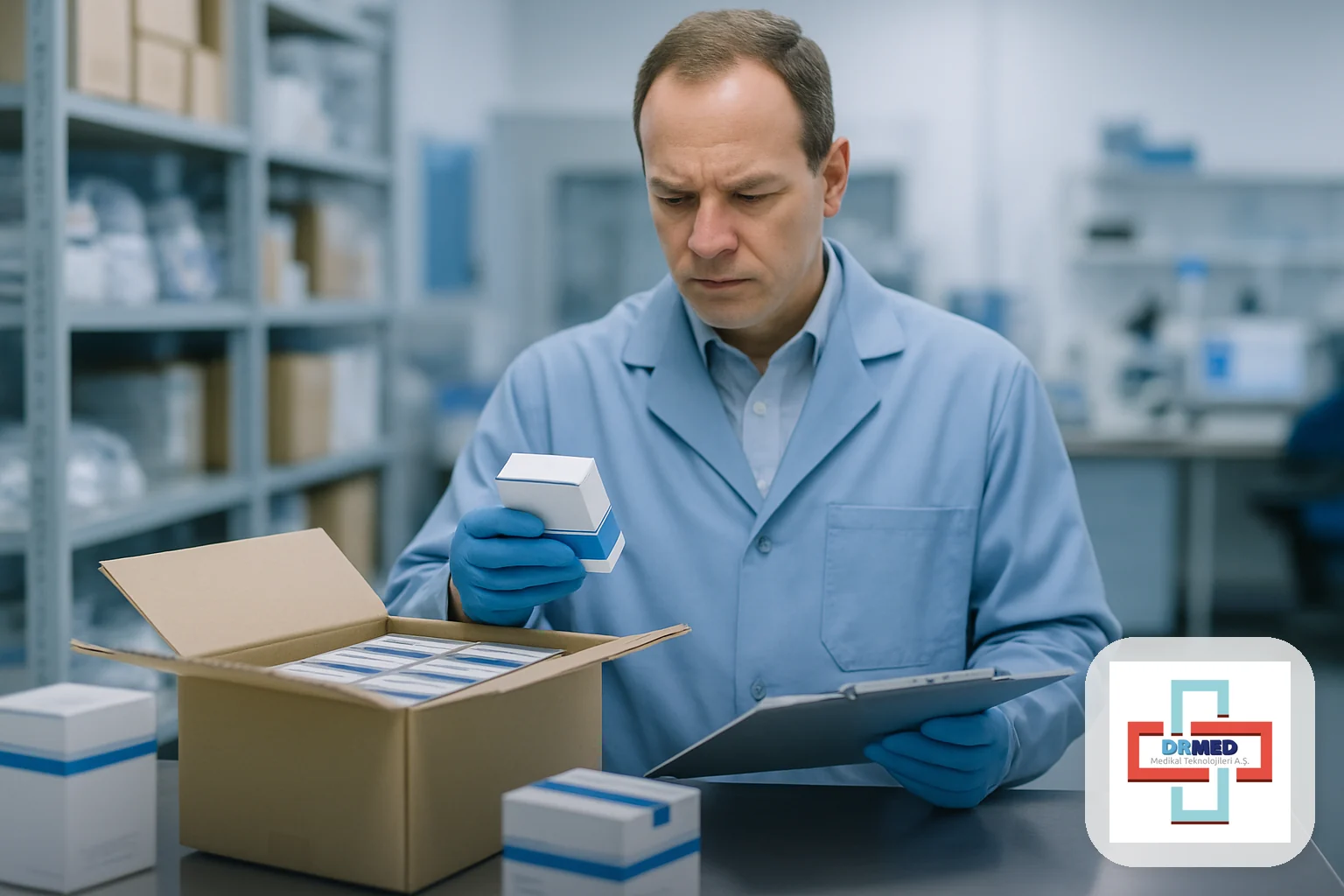
A product recall is one of the moments that tests a distributor's operations more than almost any routine audit. It is rarely the manufacturer alone who determines whether a recall goes smoothly: the distributor sits between the manufacturer and the end customer, and how quickly they can locate, isolate and account for affected stock shapes the outcome for everyone downstream. This is a practical overview of what a recall involves from a distributor's seat, not a substitute for the specific procedure a competent authority or manufacturer may require in a given case.
What Triggers a Recall
Recalls are initiated for many reasons: a manufacturing deviation identified through internal quality control, a safety signal reported through pharmacovigilance or complaint handling, a labeling error, a sterility or stability failure, or a regulator's own market surveillance findings. The trigger can originate with the manufacturer, a notified body, a competent authority, or even a distributor who notices an unusual pattern of complaints. Regardless of the source, the manufacturer is typically the party that formally initiates and coordinates the recall, while distributors are responsible for executing it correctly within their own supply chain.
Recall Classification
Most regulatory frameworks group recalls by the level of risk involved, though exact terminology varies by jurisdiction. A general pattern looks like this:
| Class (illustrative) | Typical basis | |---|---| | Class I | Reasonable probability of serious health consequences | | Class II | Temporary or medically reversible risk, or low probability of serious harm | | Class III | Unlikely to cause adverse health consequences (e.g. labeling issues) |
The classification, assigned by the manufacturer and confirmed or reviewed by the relevant authority, drives the urgency and depth of the response. A distributor's internal recall procedure should be able to flex to whichever class applies rather than treating every notice identically.
The Distributor's Immediate Actions
Once a recall notice is received, the priority sequence is usually the same regardless of product category:
- Quarantine any affected stock on hand immediately, physically and in the inventory system, so it cannot be shipped by mistake.
- Identify every customer who received units from the affected lot(s), using lot-level distribution records.
- Notify those customers promptly, with clear instructions from the manufacturer on what to do with the product (return, destroy, or await further guidance).
- Acknowledge receipt of the recall notice back to the manufacturer or authority within the timeframe specified, even if the full response is still in progress.
Speed matters, but accuracy matters more. A notification sent to the wrong customer list, or a quarantine that misses a sub-lot, creates a second problem on top of the original one.
Traceability Is the Make-or-Break Factor
Everything above depends on one capability built long before any recall occurs: the ability to answer, for a given lot number, exactly which customers received units, in what quantity, and when. Distributors that log incoming and outgoing lot numbers against purchase and delivery records as routine practice can typically produce this answer within hours. Distributors that rely on searching paper invoices or disconnected spreadsheets often cannot, and that gap is what turns a contained Class III event into a prolonged, reputationally costly one.
Communication and Documentation
Throughout the process, a distributor should keep a running record: the date the notice was received, actions taken, customers contacted and their responses, quantities recovered, and final disposition of the returned stock. This record is not paperwork for its own sake; it is what demonstrates, if a regulator later asks, that the recall was executed completely rather than partially. Clear, factual communication with affected customers, without speculation about cause or outcome beyond what the manufacturer has confirmed, keeps the process credible.
Closing Out and Verifying Effectiveness
A recall is not complete when notices have been sent. Most frameworks expect an effectiveness check, confirming that the intended recipients actually received the notice and took the requested action, and a final reconciliation of how much affected stock was recovered versus how much was originally distributed. Any unresolved gap should be documented, not left open.
The Takeaway
A recall is, above all, a test of a distributor's traceability and documentation discipline built up over ordinary trading days, not something improvised under pressure. Distributors who can locate an affected lot, notify the right customers and evidence the outcome quickly are the ones who come through a recall with their credibility intact.
This is general educational information, not legal or regulatory advice; consult the current official texts and your competent authority.