
Micro-Focused Ultrasound (HIFU): Mechanism and Where It Fits
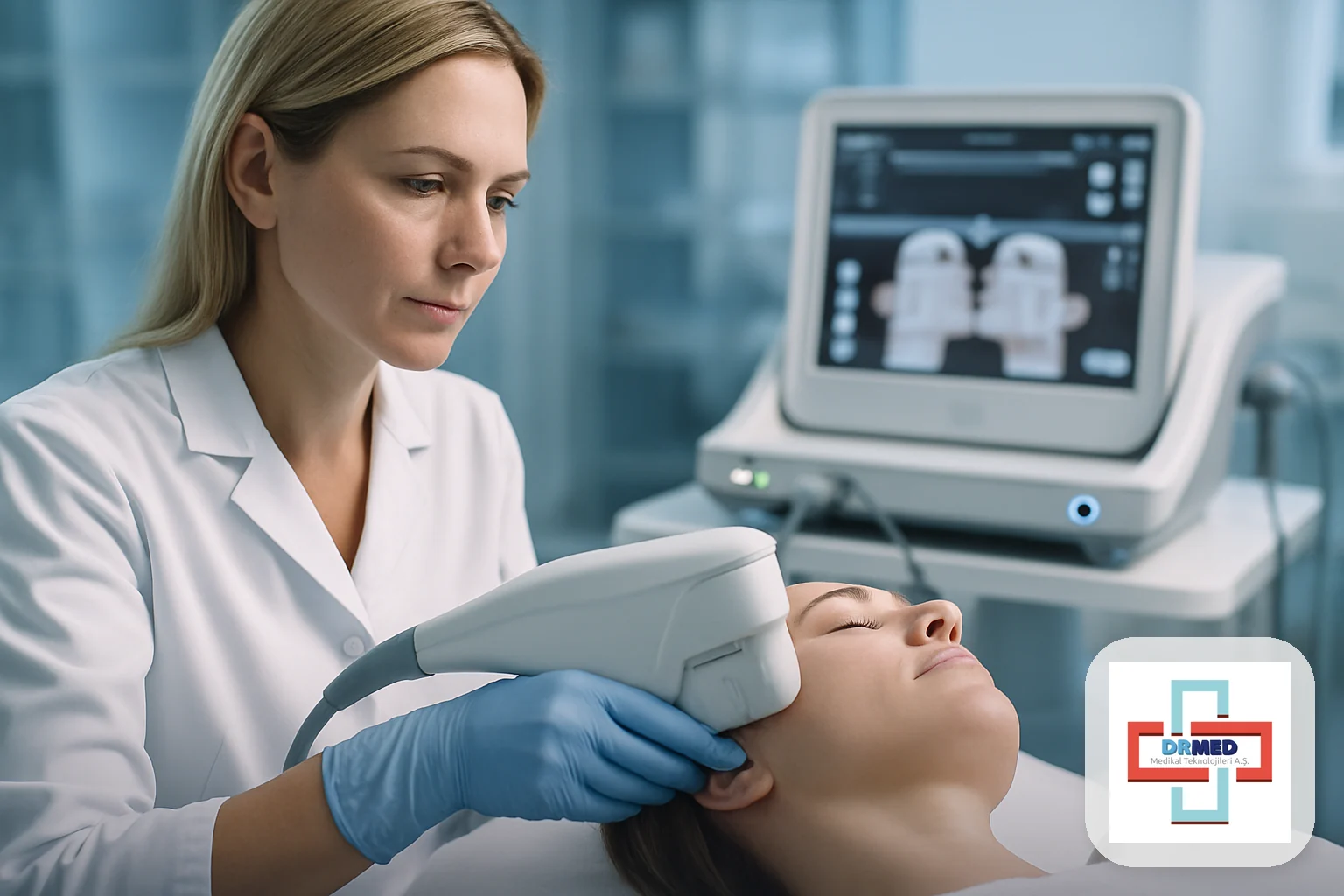
Micro-focused ultrasound (MFU), often marketed under the acronym HIFU (high-intensity focused ultrasound), is one of several energy-based modalities used for non-invasive skin tightening. Understanding how it differs mechanistically from radiofrequency (RF) and laser-based devices helps clinicians and procurement teams evaluate where it fits within a broader device portfolio.
How Micro-Focused Ultrasound Works
MFU devices use a transducer to converge acoustic energy at a precise focal point beneath the skin surface, generating a small, controlled zone of thermal coagulation, often described as a thermal coagulation point (TCP). Unlike surface-heating modalities, focused ultrasound can target specific depths, commonly the deep dermis, subcutaneous fat, or the superficial musculoaponeurotic system (SMAS), while sparing the tissue layers in between. The energy is delivered through real-time ultrasound visualization in many systems, which allows the operator to confirm depth and tissue plane before energy delivery rather than relying on estimated penetration.
The Biological Response to Focal Heating
The thermal effect at each coagulation point is understood to denature collagen fibrils in a highly localized area, which triggers a wound-healing cascade: an initial inflammatory phase followed by fibroblast activation and gradual neocollagenesis (new collagen synthesis) over the following weeks to months. This delayed-onset, cumulative response is a defining feature of focused ultrasound: visible changes are generally described as developing progressively rather than immediately, since the mechanism depends on the body's own remodeling process rather than an acute mechanical effect.
How MFU Compares to Other Energy-Based Modalities
Clinics evaluating device categories often weigh MFU against radiofrequency and laser platforms. Each relies on a distinct physical principle:
| Modality | Energy type | Typical targeting approach | |---|---|---| | Micro-focused ultrasound | Acoustic energy focused at a point | Depth-specific, point-by-point focal heating | | Monopolar/bipolar RF | Electrical current converted to heat | Volumetric heating across a tissue layer | | Laser-based resurfacing | Light energy absorbed by chromophores | Surface or fractional columns, depth varies by wavelength |
These categories are not interchangeable, and device selection depends on the treatment goal, the tissue layer of interest, and the practitioner's clinical assessment. None of these modalities should be described as superior in absolute terms; each has a distinct energy-delivery profile suited to different indications.
Regulatory and Safety Considerations for Buyers
Because focused ultrasound devices concentrate energy at depth, parameter selection and depth verification are safety-critical and fall squarely within the domain of trained operators, not general marketing claims. When evaluating an MFU platform for distribution or clinic procurement, relevant due-diligence points include:
- Regulatory clearance status in the target market (device classification varies by jurisdiction)
- Availability of real-time imaging for depth confirmation
- Documented energy calibration and maintenance requirements
- Manufacturer-provided training and operator certification pathways
These are procurement and compliance questions, not clinical instructions, and any protocol-level decisions remain the responsibility of the treating clinician.
Where the Evidence Currently Stands
The published literature on MFU for skin laxity spans multiple anatomical sites and device generations, and outcomes reported in the literature vary by study design, device settings and patient selection. As with most energy-based aesthetic technologies, results are described as variable across individuals and dependent on factors such as baseline tissue quality and treatment planning. Buyers and clinicians should treat manufacturer materials as a starting point for evaluation, not a substitute for independent review of the available clinical literature.
The Takeaway
Micro-focused ultrasound occupies a distinct niche among energy-based devices because it can target specific tissue depths with real-time visualization, triggering a gradual collagen-remodeling response rather than an immediate effect. For distributors and clinics comparing device categories, the meaningful differentiators are the physical mechanism, depth-targeting capability and regulatory documentation, not marketing language about outcomes.
This article is educational and does not constitute medical advice. Product selection, dosing and administration must always be performed by a qualified healthcare professional.