
Microneedling and RF Microneedling: How They Differ
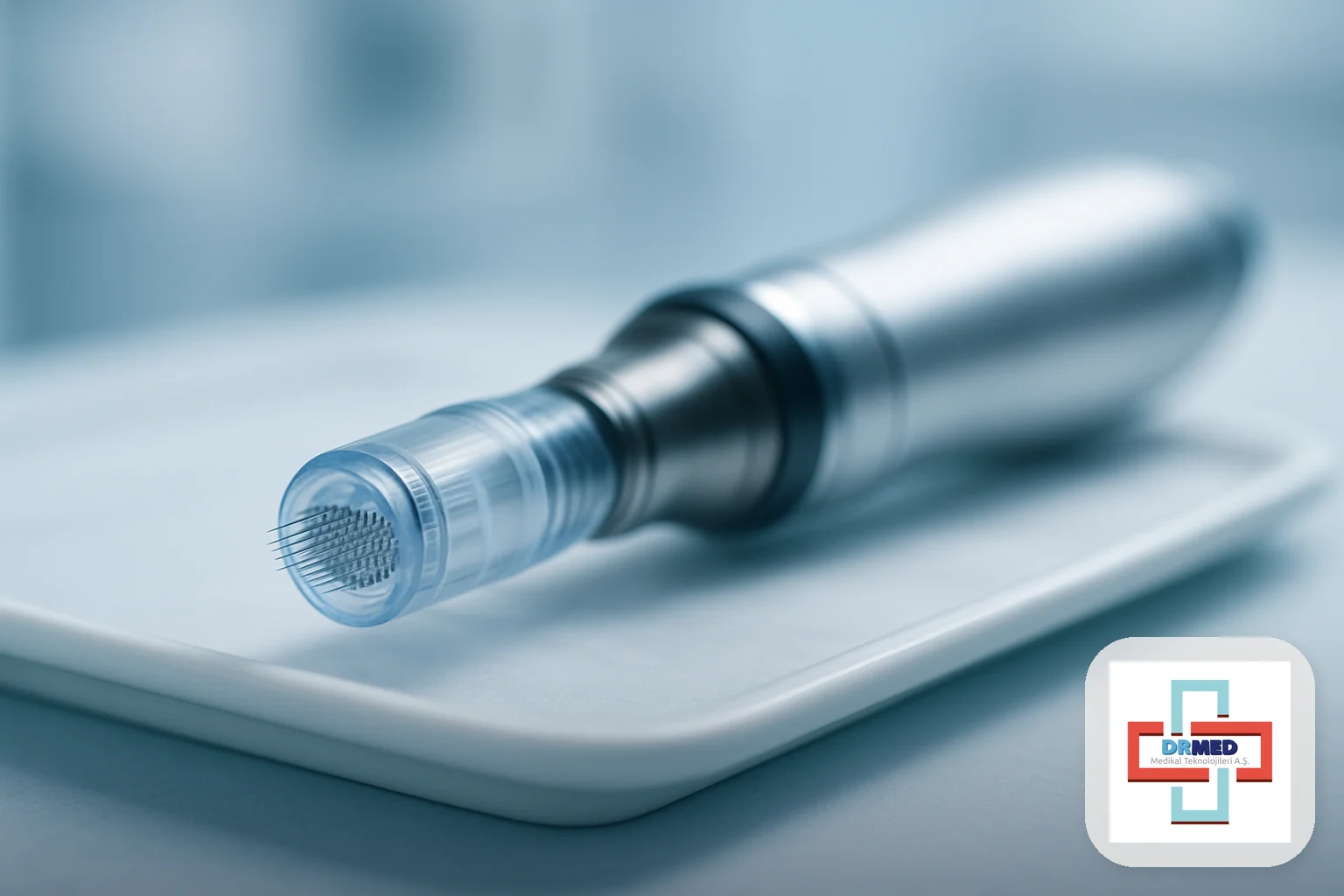
Microneedling and radiofrequency (RF) microneedling are frequently discussed together, but they are not the same modality wearing two names. Both categories rely on controlled needle penetration of the skin, yet they trigger meaningfully different biological responses and are built around different device engineering. For distributors and clinics evaluating a device portfolio, understanding what separates the two (rather than treating "microneedling" as one interchangeable category) is the starting point for informed sourcing and positioning.
What Classic Microneedling Does
Traditional microneedling uses a motorized or manual device with fine needles, typically in the sub-millimeter to low-millimeter range, that create a controlled pattern of micro-channels through the epidermis into the upper dermis. This mechanical micro-injury triggers the body's natural wound-healing cascade: an initial inflammatory phase, followed by fibroblast activation and a proliferative phase in which new collagen and elastin are laid down. The mechanism is purely mechanical, no energy source beyond the needle itself is involved, which is why classic microneedling devices are comparatively simple and widely used as an entry-level regenerative modality.
How Radiofrequency Changes the Mechanism
RF microneedling adds a second energy modality to the same needle-based delivery platform. Insulated or non-insulated needles carry radiofrequency energy to a targeted depth in the dermis, generating localized heat through tissue resistance as the current passes between electrodes. This thermal component denatures collagen fibers in a controlled zone and is understood to stimulate a more pronounced fibroblastic and neocollagenesis response than mechanical micro-injury alone, while the insulation coating on many needle designs is intended to protect the epidermis from the heat delivered deeper in the dermis.
Depth, Energy and Device Variables
Device performance in this category depends on several engineering variables that distinguish one platform from another:
- Needle configuration: insulated needles concentrate thermal energy at the needle tip and lower dermis; non-insulated needles distribute energy along the full needle length, affecting both the epidermis and dermis.
- Penetration depth: adjustable across a device's working range, allowing targeting of different dermal layers.
- RF energy delivery mode: monopolar, bipolar and fractional configurations distribute current differently through the tissue.
- Pulse duration and needle dwell time: influence how much thermal energy is delivered per treatment point.
These variables are set by the device manufacturer's calibration and the treating clinician's protocol; they are not interchangeable across platforms without validated settings for that specific device.
Indications: Where Each Approach Fits
| Consideration | Classic Microneedling | RF Microneedling | |---|---|---| | Primary mechanism | Mechanical micro-injury | Mechanical injury + thermal energy | | Typical target | Superficial texture, fine lines, product-delivery adjunct | Deeper dermal remodeling, laxity-associated concerns | | Downtime | Generally shorter | Generally longer, device-dependent | | Device complexity | Lower | Higher (RF generator, insulated needles) | | Skin tightening effect | Limited | More pronounced, attributed to thermal collagen response |
Both categories are also used as a bio-reactivating adjunct ahead of topical or injectable products, on the premise that the created micro-channels temporarily increase permeability of the treated area, a mechanism-based rationale rather than a guarantee of any specific outcome.
Safety and Skin-Type Considerations
Needle depth, RF energy level and treatment interval all affect the risk-benefit profile, and device settings must be matched to the treatment area and the patient's skin characteristics by the treating professional. Fitzpatrick skin type is a relevant variable for any energy-based device, since darker skin types carry a different risk profile for post-inflammatory pigmentary change with thermal modalities. Device manufacturers publish indicated parameters and contraindications, and these (not general marketing claims) are the reference point for safe use in a given population.
The Takeaway
Microneedling and RF microneedling share a delivery platform but differ in mechanism, device complexity and the depth of biological response they are capable of producing. For distributors, the practical distinction that matters most in sourcing is device engineering (needle insulation, RF delivery mode and validated depth control) since these determine both the clinical use case and the regulatory class the device falls under. For clinics, matching the modality to the indication, rather than treating the category as a single interchangeable tool, is what determines whether a device earns a place in the treatment room.
This article is educational and does not constitute medical advice. Product selection, dosing and administration must always be performed by a qualified healthcare professional.