Sterilization Methods for Medical Products: EO, Gamma, Steam
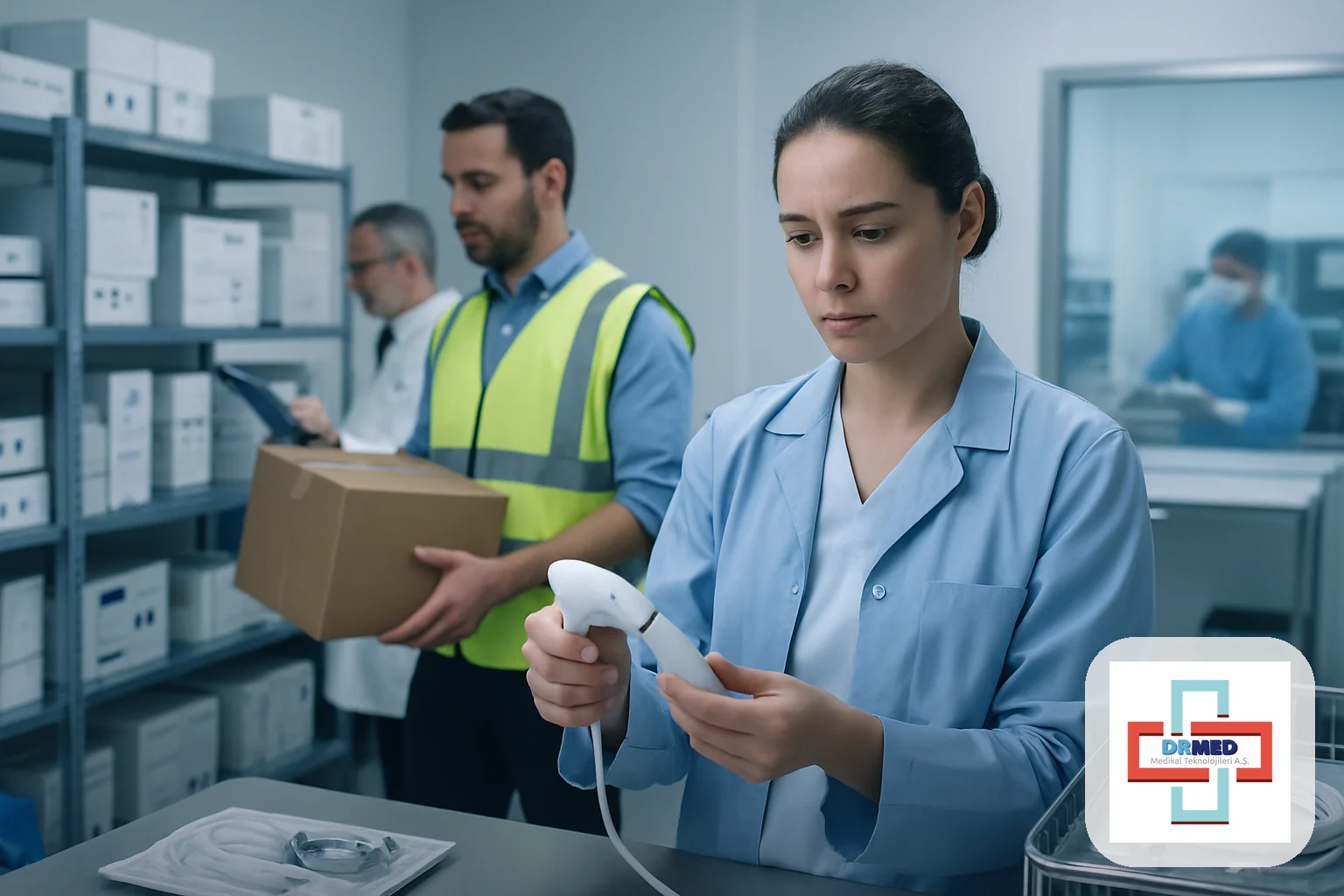
A device or single-use product labeled "sterile" has passed through one of a handful of validated industrial processes, each with its own physics, its own material compatibility profile and its own documentation trail. For distributors and institutional buyers, knowing which method was used (and why) helps explain packaging choices, shelf-life claims and why a supplier cannot simply switch processes without re-validating a product. This article compares the three sterilization methods most common in the medical and aesthetic supply chain: ethylene oxide, gamma (and electron-beam) irradiation, and steam.
What "Sterile" Actually Means
Sterility is not an absolute, binary state that a process either achieves or fails to achieve outright. It is a statistical assurance. Validated sterilization processes are designed and tested to reduce the probability of a viable microorganism surviving on the product to an extremely low, internationally recognized level, commonly expressed as a Sterility Assurance Level (SAL). Manufacturers validate their chosen process against the product's specific bioburden, materials and packaging configuration, and that validation (not the method name alone) is what actually supports a sterility claim.
Ethylene Oxide (EO) Sterilization
Ethylene oxide is a gas that penetrates packaging and complex device geometries (lumens, hinges, multi-component assemblies) at relatively low temperatures. This makes it a common choice for products that would be damaged by heat or radiation, including many plastics, electronics and pre-assembled kits. The trade-off is process complexity: EO is toxic and requires controlled exposure, followed by a documented aeration period so residual gas dissipates before the product is released, along with tight environmental and safety controls at the sterilization facility.
Gamma and Electron-Beam Irradiation
Gamma irradiation, typically from a cobalt-60 source, and electron-beam (e-beam) processing both sterilize by delivering ionizing radiation that disrupts microbial DNA. Radiation methods are valued for consistency and for allowing terminal sterilization of the product already sealed in its final packaging, without a gas-residual concern. The main limitation is material sensitivity: some polymers can discolor, become brittle, or change mechanical properties at sterilizing doses, so compatibility must be validated per material and per device, a plastic that tolerates gamma dosing in one formulation may not in another.
Steam (Moist Heat) Sterilization
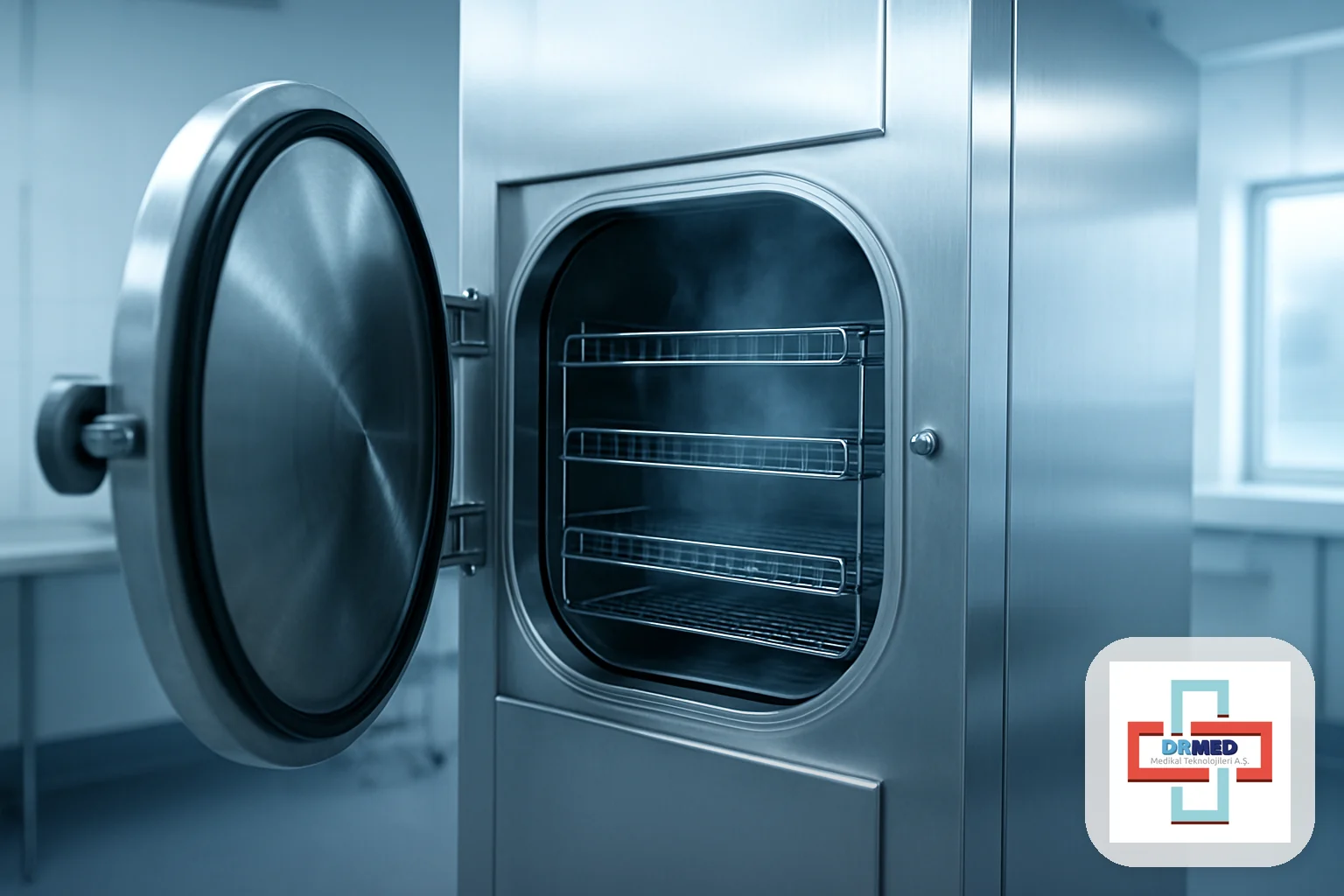
Steam sterilization, run in an autoclave under pressure, uses moist heat to destroy microorganisms and is one of the oldest and most widely trusted methods, particularly for reusable metal instruments and heat-stable materials. It is fast and leaves no chemical residue, but it is unsuitable for heat- or moisture-sensitive components, and effectiveness depends on steam actually contacting every surface, meaning packaging and load configuration are validated as part of the process, not left to chance.
Comparing the Three Methods
| Method | Typical use case | Key constraint | |---|---|---| | Ethylene oxide (EO) | Heat-sensitive plastics, complex assemblies | Requires controlled aeration before release | | Gamma / e-beam | Terminally sterilized packaged products | Material compatibility varies by polymer | | Steam (autoclave) | Metal instruments, heat-stable materials | Not suitable for heat- or moisture-sensitive items |
What Buyers Should Look For on Documentation
A product's sterilization method should be traceable, not assumed. Useful items to request or check include:
- The sterilization method stated on the label or IFU, consistent across the product and its packaging.
- A certificate of sterilization or conformity referencing the applicable process validation.
- Confirmation that the sterile barrier packaging is intact on receipt, a compromised pouch or wrap invalidates the sterility claim regardless of which method was used originally.
- Awareness that re-sterilizing or reprocessing a single-use device outside the manufacturer's validated process is a distinct regulatory and quality question, not a routine choice.
The Takeaway
EO, gamma/e-beam and steam are not interchangeable defaults, each is matched to a product's materials, geometry and intended packaging during validation, and that validation is what underwrites the sterility claim on the label. For distributors and buyers, understanding which method applies to a given product, and confirming the supporting documentation, is a practical part of quality due diligence rather than a technical detail to skip past.
This is general educational information, not legal or regulatory advice; consult the current official texts and your competent authority.