
Cold Chain Integrity: Why Temperature Control Protects Biologics
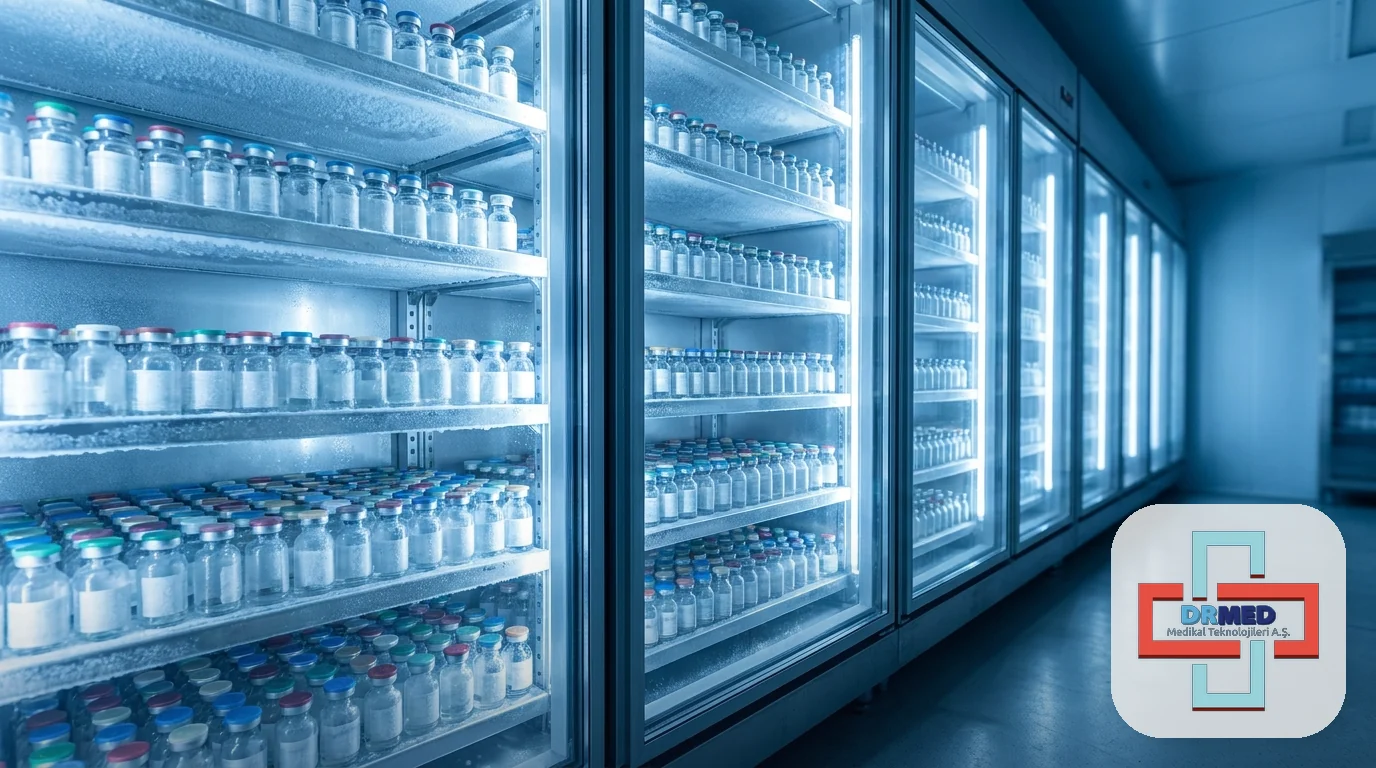
For many aesthetic and pharmaceutical products, the difference between a fully effective product and a compromised one is invisible to the eye, and it happens during transport and storage. The cold chain is the unbroken sequence of temperature-controlled steps that keeps a biologic within its specified range from manufacture to point of use.
Why biologics are so sensitive
Products such as polynucleotides, certain peptides, biostimulator suspensions and some cross-linked HA gels are temperature-sensitive. Excess heat can:
- Accelerate hydrolysis and degradation of active molecules
- Alter the rheology or viscosity of a gel
- Compromise sterility barriers if packaging is stressed
- Reduce or eliminate clinical efficacy, without any visible change
A product can look perfectly normal and still be sub-potent after a thermal excursion. That is precisely why the cold chain relies on data, not appearance.
The pillars of a validated cold chain
- Qualified packaging: validated insulated shippers and phase-change materials that hold temperature for a defined transit time.
- Continuous monitoring: data loggers that record temperature throughout transit, providing an auditable history for each shipment.
- Excursion management: documented procedures for what happens when a reading falls outside range, including stability-budget assessment.
- Qualified storage: mapped, alarmed refrigeration at every waypoint, with backup power and calibrated sensors.
Why it matters commercially
For distributors and institutional buyers, cold-chain evidence is not paperwork. It is a guarantee of the product's clinical value. A shipment arriving with a clean temperature log is a shipment you can stand behind. One without it is a liability, regardless of how the product looks.
The DRMED approach
We treat temperature integrity as a core quality attribute, not an afterthought: validated packaging, monitored transit, and documentation that follows the product to its destination. Preserving the science inside the vial is the whole point of supplying it.
This article describes general quality principles and is not product-specific storage guidance. Always follow each product's approved storage conditions.