Platelet-Rich Plasma (PRP): Mechanisms and Clinical Evidence
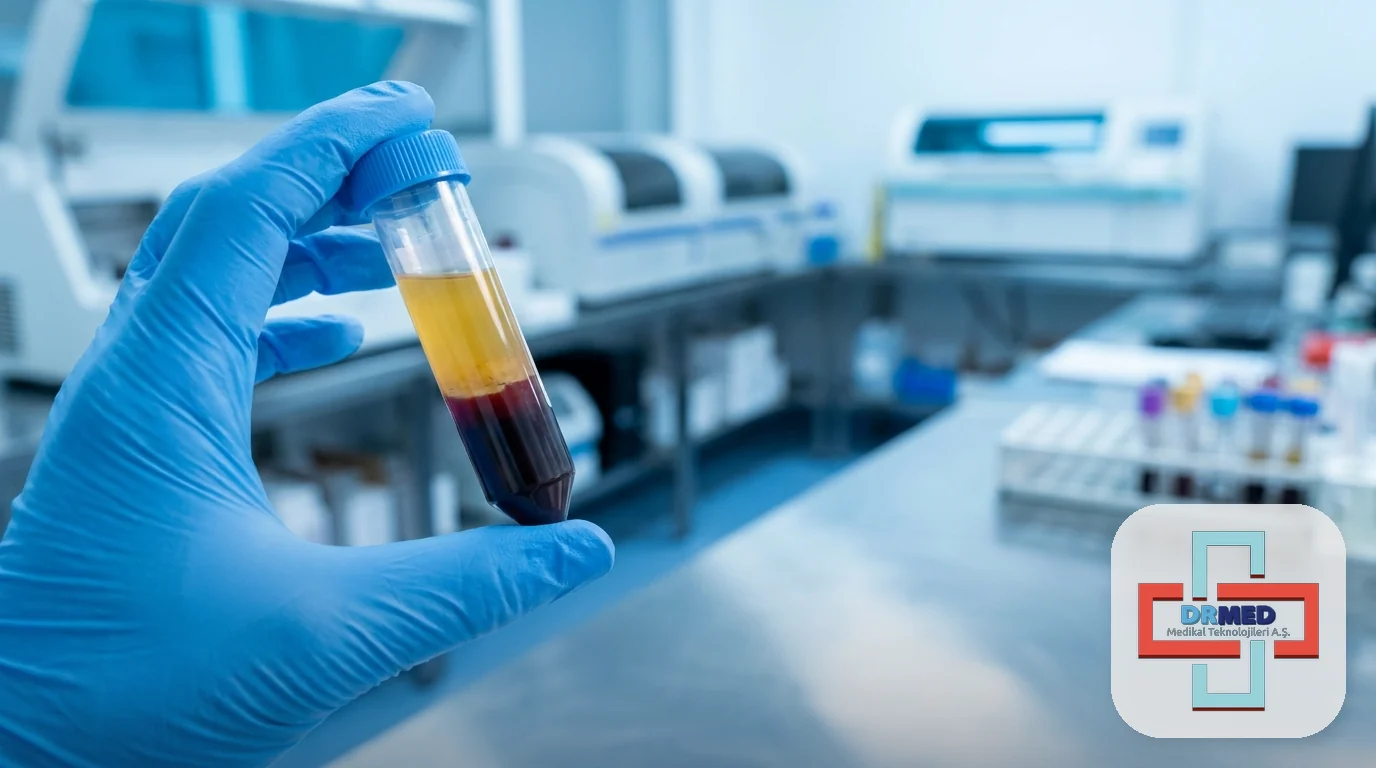
Platelet-rich plasma (PRP) is one of the most widely used autologous (meaning "from the patient's own body") regenerative treatments. Its appeal is simple: no synthetic material is introduced, only a concentrated version of the body's own healing machinery.
The biology of platelets
Platelets are best known for clotting, but they are also reservoirs of growth factors stored in their alpha granules. When activated, they release signalling proteins including:
- PDGF (Platelet-Derived Growth Factor): stimulates cell proliferation and angiogenesis.
- TGF-β (Transforming Growth Factor beta): regulates collagen synthesis.
- VEGF (Vascular Endothelial Growth Factor): drives new blood-vessel formation.
- EGF and IGF, support epithelial repair and cellular metabolism.
By concentrating platelets 3–5× above baseline and delivering them into the target tissue, PRP amplifies the natural wound-healing cascade.
Preparation is everything
Not all PRP is equal. Outcomes depend heavily on the preparation system and technique:
- Platelet concentration: too low and the effect is negligible; extremely high concentrations may even be inhibitory.
- Leukocyte content: leukocyte-rich vs leukocyte-poor PRP behave differently and suit different indications.
- Separation gel and tube quality: a well-designed thixotropic separating gel produces a cleaner, more reproducible platelet layer.
This is why standardised, certified PRP kits matter: reproducibility is the difference between a reliable clinical protocol and inconsistent results.
Clinical applications and evidence
PRP has an evidence base across several fields:
- Aesthetics: facial rejuvenation, skin quality and hair restoration (androgenetic alopecia).
- Orthopaedics: tendinopathies and early osteoarthritis.
- Wound care: chronic and slow-healing wounds.
The strength of evidence varies by indication, and standardisation of protocols remains an active area of research. Best practice is a course of treatments (commonly 3–4 sessions) with results maintained by periodic maintenance.
The bottom line
PRP is a genuinely regenerative, low-risk modality when prepared and delivered correctly. Its performance ceiling is set by two things: the quality of the preparation kit and the skill of the operator.
This is an educational overview and not a treatment recommendation.