Polynucleotides and PDRN: The Regenerative Shift in Aesthetics
For two decades, injectable aesthetics was defined by one idea: replace lost volume. Regenerative medicine reframes the question, instead of filling a deficit, can we stimulate the skin to repair itself? Polynucleotides sit at the heart of that shift.
What are polynucleotides?
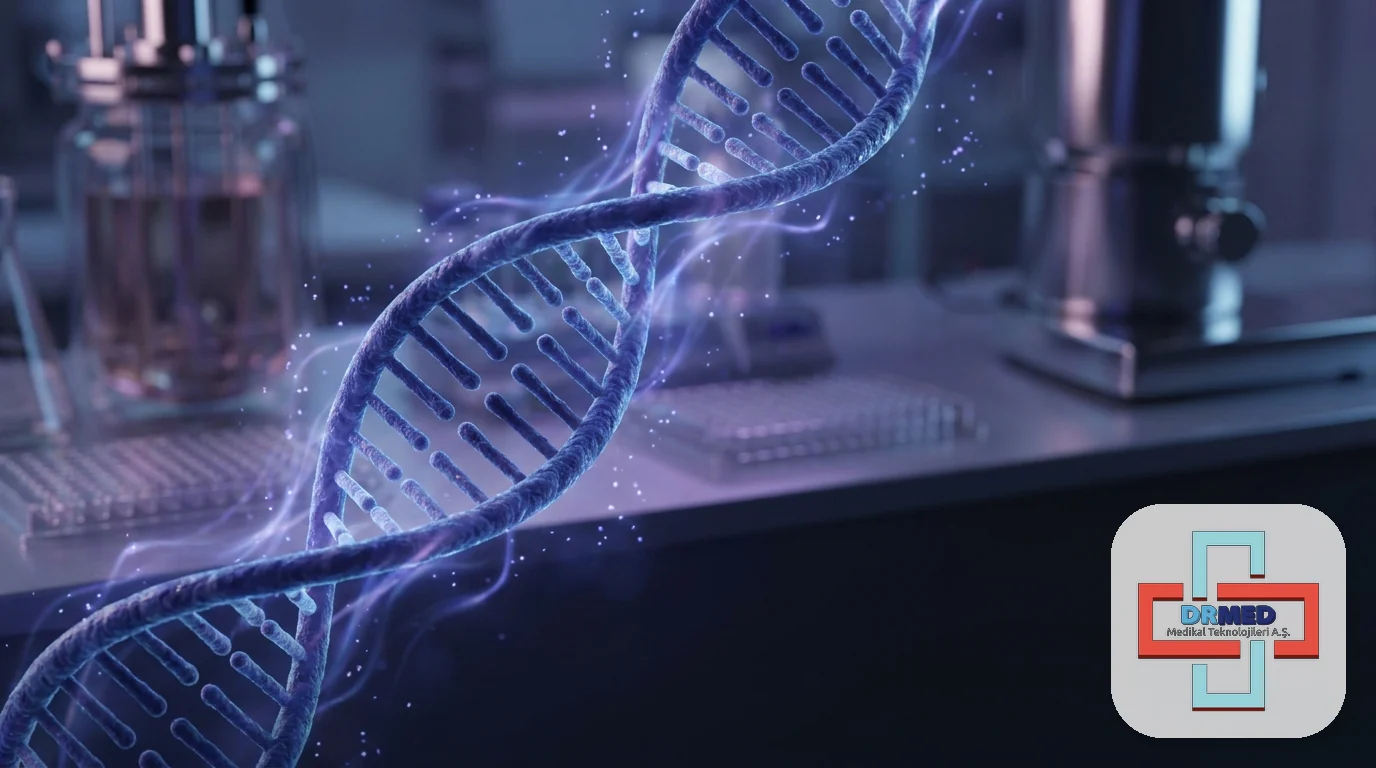
Polynucleotides are long chains of nucleotides, the same building blocks that make up DNA. In aesthetic products they are typically highly purified and derived from salmon or trout DNA, chosen because their sequence is biocompatible with human tissue and carries a very low immunogenic risk.
Two terms appear frequently:
- PDRN (Polydeoxyribonucleotide): shorter fragments with a well-characterised anti-inflammatory and pro-angiogenic action.
- PN-HPT (Polynucleotides High Purification Technology): longer, highly purified chains marketed for their hydro-lifting and biostimulatory effect.
Mechanism of action
Polynucleotides work through several converging pathways:
- Adenosine A2A receptor activation: drives an anti-inflammatory response and stimulates tissue repair.
- Fibroblast stimulation: encourages the production of new collagen and elastin, improving skin structure over weeks.
- Free-radical scavenging: the nucleotide chains act as a substrate reserve, protecting cells from oxidative stress.
- Improved microcirculation: supports oxygen and nutrient delivery to the dermis.
The clinical result is not immediate volume but a gradual improvement in skin quality: elasticity, hydration and firmness that build over a treatment course, typically 3–4 sessions spaced 2–3 weeks apart.
Where it fits clinically
Polynucleotides shine in delicate areas where classic fillers are challenging, the periorbital region, the neck, and thin or damaged skin. They are also used as a bio-reactivating primer before procedures such as laser, radiofrequency, peels and microneedling, optimising the skin's response to those treatments.
Why the industry is paying attention
Regenerative injectables answer a growing patient preference for "natural" results and prevention rather than correction. For distributors, the category represents one of the fastest-growing segments in medical aesthetics, but it also demands cold-chain discipline and rigorous sourcing, because purity and molecular integrity are everything.
Educational content only. Regenerative injectables are medical procedures and must be administered by trained professionals.